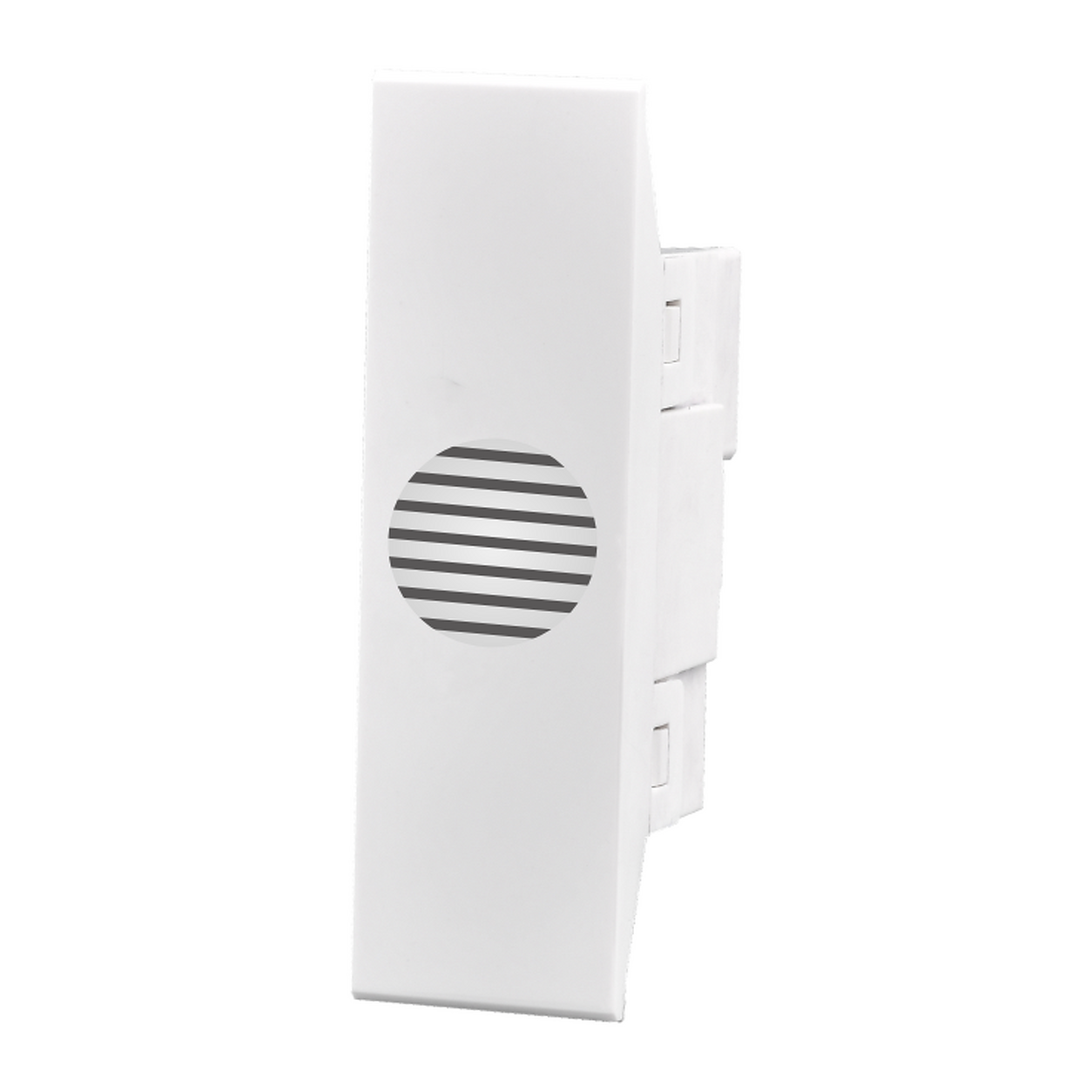
ARTH3/ARTS3 PIR Motion Sensor Wall Switch
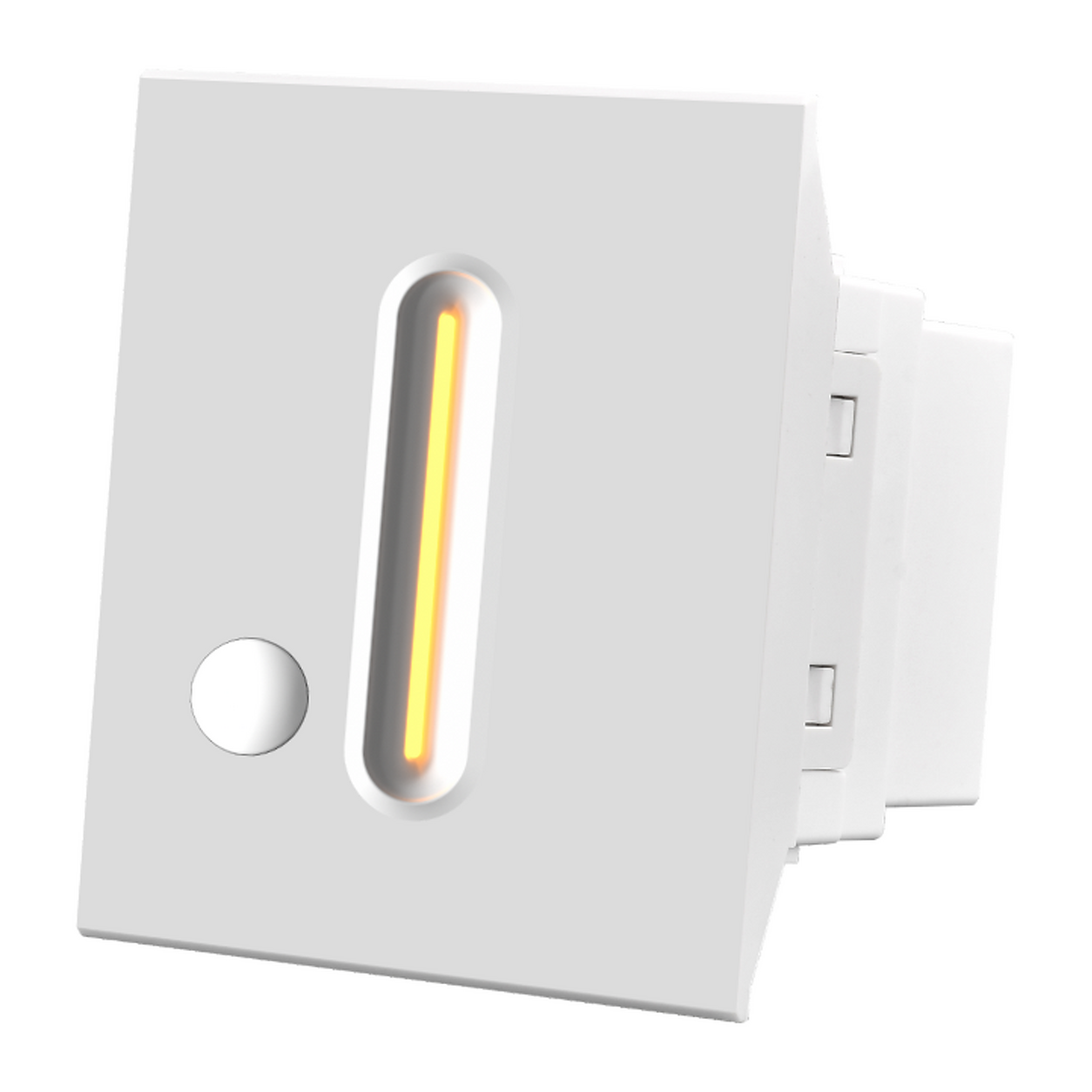
The JIELI ARTH3 and ARTS3 PIR Motion Sensor Wall Switches use passive infrared sensing technology to detect infrared changes caused by people moving across the monitored area.
When movement is detected, the switch activates the connected lighting according to its configured operating mode and ambient-light condition. After no further movement is detected and the delay period expires, the lighting switches off automatically.
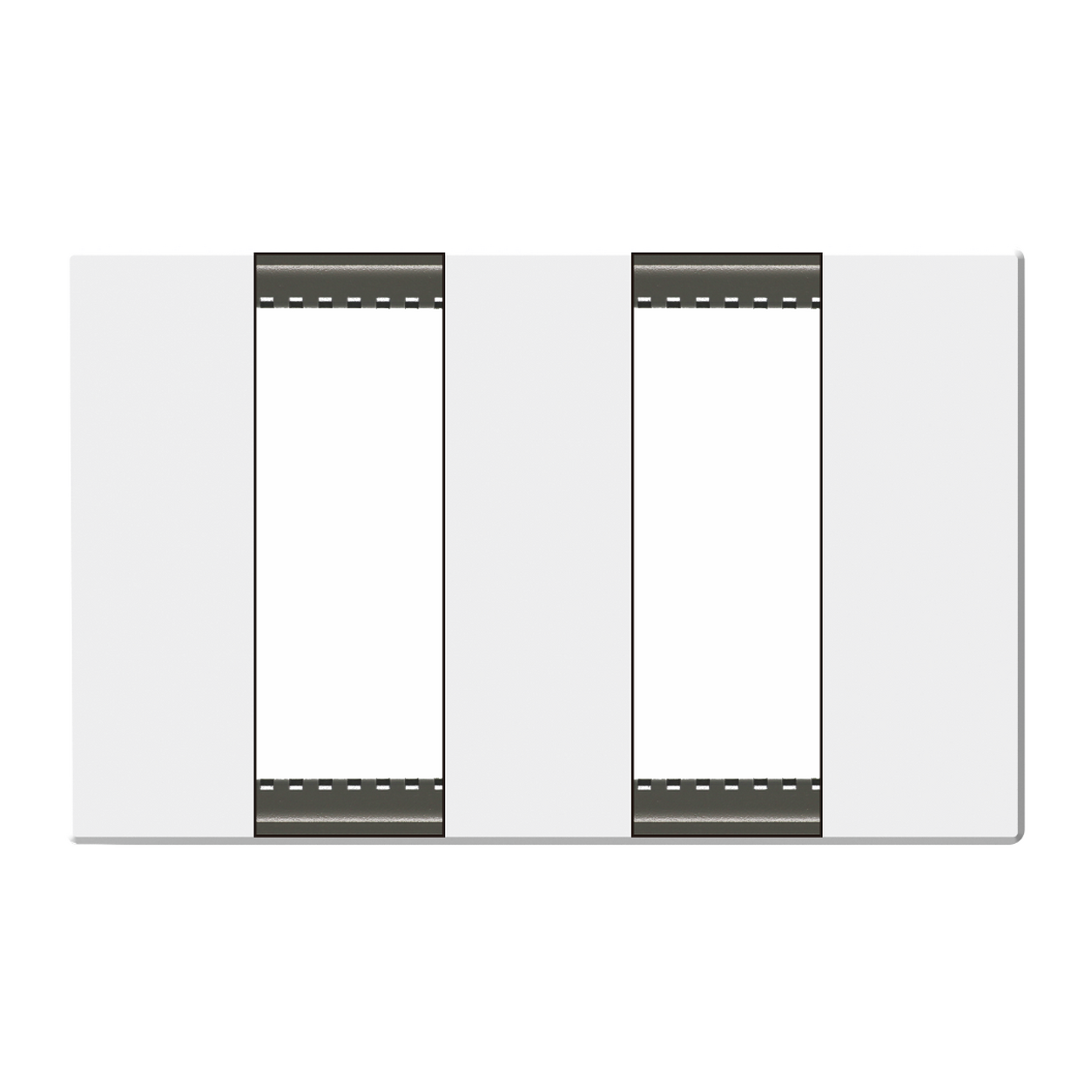
Both models use the coordinated JIELI A Series full-board format but feature different front-panel designs. They can be integrated with matching switches, sockets and multimedia outlets for residential, hotel and commercial projects.
Key Features
- Passive infrared motion detection
- Automatic lighting control
- Motion-activated switch-on function
- Automatic switch-off after the delay period
- Helps reduce unnecessary lighting time
- Suitable for compatible indoor lighting loads
- Coordinated A Series full-board design
- Two front-panel styles available
- Flush-mounted wall installation
- Suitable for residential and commercial projects
- OEM and ODM customization support
- Custom color, logo, labeling and packaging options
Reference Specifications
- Models: ARTH3 / ARTS3
- Product type: PIR motion sensor wall switch
- Sensor technology: Passive infrared
- Reference operating voltage: 220–240V AC
- Reference frequency: 50/60Hz
- Reference controllable load: Approximately 9–100W
- Reference detection angle: Approximately 120°
- Reference detection distance: Approximately 3–5m
- Reference delay time: Approximately 40 ±10 seconds
- Reference ambient-light threshold: Below approximately 5–10 lux
- Reference standby consumption: Approximately 0.5–1W
- Reference mounting height: Approximately 1.1–1.5m
- Reference operating temperature: Approximately -10°C to 40°C
- Wiring: Two-wire or three-wire version, subject to confirmation
- Customization: Panel color, logo, sensing configuration, labeling and packaging
The voltage, load rating, detection distance, sensing angle, delay time, ambient-light threshold, protection rating and wiring method must be verified against the approved sample or final technical specification.
How PIR Motion Detection Works
PIR stands for Passive Infrared. A PIR sensor does not actively transmit an infrared signal. Instead, it monitors changes in infrared energy within its sensing zones.
When a person moves across the monitored area, the sensor detects changes in the infrared energy emitted by the body. The switch then activates the connected lighting according to its configured daylight and operating settings.
Continued movement can reset the delay timer. After movement stops and the selected delay expires, the switch turns the lighting off automatically.
PIR sensors primarily detect movement. They should not be described as continuous presence sensors for motionless occupants.
Typical Applications
The ARTH3 and ARTS3 PIR Motion Sensor Wall Switches can be considered for:
- Residential corridors
- Staircase landings
- Apartment entrances
- Hotel guest-room entrances
- Hotel bathrooms and dressing areas
- Office corridors
- Small meeting rooms
- Storage rooms
- Utility rooms
- Indoor public washrooms
- Staff areas
- Small commercial interiors
- Property development projects
- Residential and commercial renovation
Lighting Load Compatibility
A PIR sensor switch must be matched to the connected lighting load. LED drivers, fluorescent ballasts, incandescent lamps and other load types can have different starting-current and switching characteristics.
Before selecting a model, buyers should confirm:
- Lighting technology
- Total connected wattage
- LED-driver starting current
- Minimum-load requirement
- Resistive or inductive load
- Number of lamps
- Two-wire or three-wire circuit
- Neutral-wire availability
- Required operating mode
The switch should not be used to control fans, motors, heaters or other appliance loads unless the applicable load type and rating have been specifically confirmed.
Detection Performance
The effective sensing area can be affected by:
- Installation height
- Walking direction
- Room layout
- Ambient temperature
- Doors, curtains and furniture
- Direct sunlight
- Air-conditioning outlets
- Nearby heat sources
PIR sensors generally detect movement across the sensing zones more effectively than movement directly toward the sensor.
The actual detection area should be tested at the intended installation position before completing a large project.
Ambient-Light Control
Depending on the selected configuration, the switch may include an ambient-light threshold that prevents the connected lighting from switching on when sufficient daylight is available.
The threshold may be factory-set or adjustable. Buyers should confirm the required lux level and whether adjustment is available before ordering.
Time-Delay Control
The switch keeps the connected lighting on for a specified period after the latest detected movement. New movement within the sensing area can restart the delay timer.
The reference delay is approximately 40 ±10 seconds for comparable compact wall switches. The actual delay range and whether it is fixed or adjustable must be confirmed.
Wiring and Installation
The ARTH3 and ARTS3 should be installed by a qualified electrician. Before installation, confirm:
- Input voltage and frequency
- Live input and switched-live output
- Whether a neutral wire is required
- Terminal quantity and arrangement
- Minimum and maximum load
- Compatible wall box
- Required mounting depth
- Applicable circuit protection
Power must be isolated before installation, wiring or servicing.
The products should be treated as indoor wall switches unless an appropriate ingress-protection rating has been confirmed.
Coordinated A Series Design
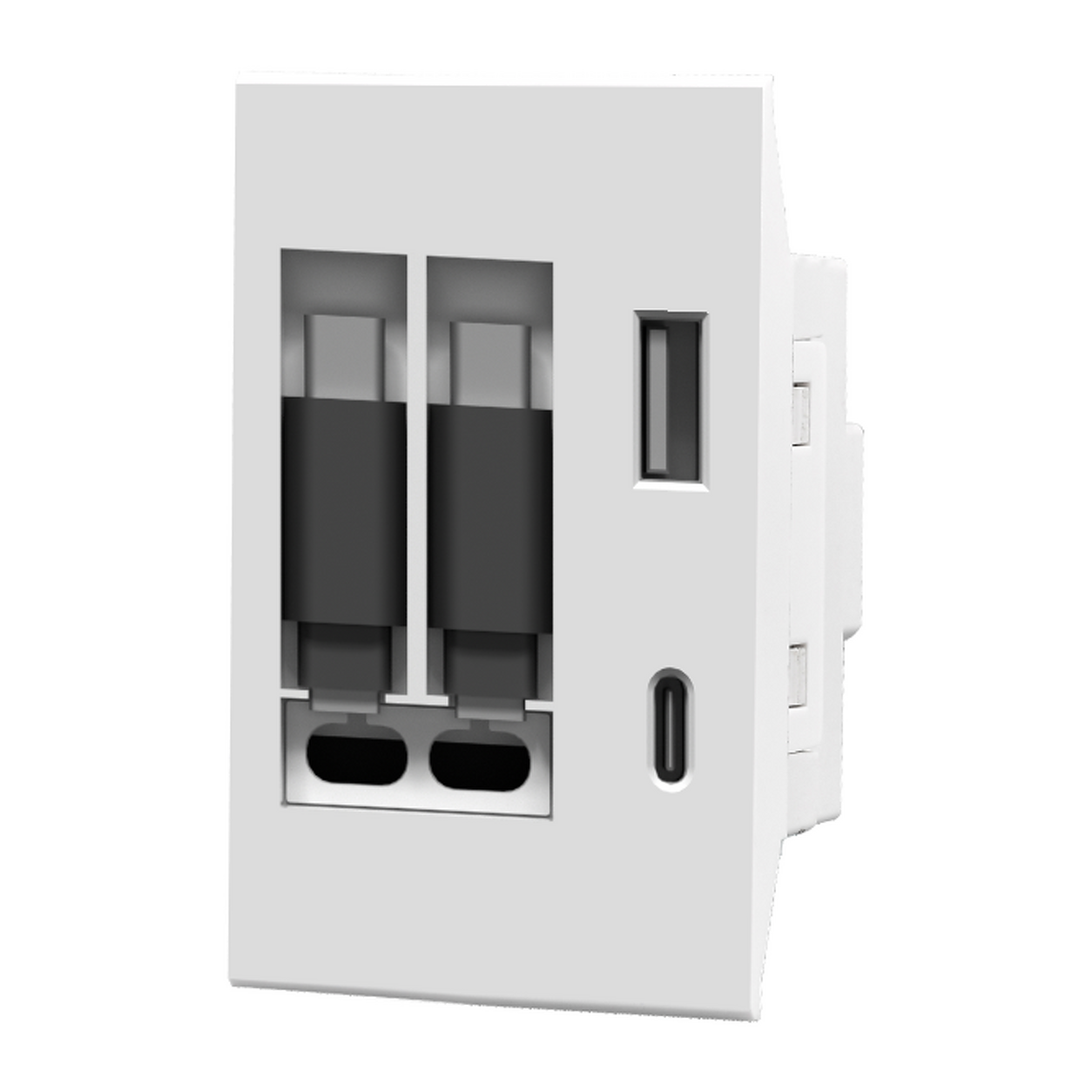
The ARTH3 and ARTS3 can be installed with matching JIELI A Series light switches, power sockets, USB charging outlets, data sockets, television sockets and multimedia wall plates.
This allows electrical distributors, contractors and property developers to maintain a consistent panel shape, color and finish throughout a complete installation.
OEM and ODM Support
JIELI supports OEM and ODM projects for electrical distributors, project contractors, property developers and private-label brands.
Available customization may include:
- Panel color and surface finish
- Brand logo and product marking
- Sensor and load configuration
- Detection distance
- Time-delay setting
- Ambient-light threshold
- Indicator or guide-light configuration
- Product labels and barcodes
- Inner and outer packaging
- Coordinated A Series product combinations
Final customization options depend on the approved electrical specification, testing requirements and order quantity.
Frequently Asked Questions
What sensing technology do the ARTH3 and ARTS3 use?
The ARTH3 and ARTS3 use passive infrared technology. The PIR sensor detects changes in infrared energy caused by people moving across the monitored area.
Does a PIR sensor detect a person who remains still?
A standard PIR sensor mainly detects changes caused by movement. It may not continue detecting a person who remains completely motionless. The product should therefore be described as a motion sensor switch rather than a continuous human-presence detector.
Does the switch operate during the daytime?
This depends on the ambient-light configuration. Some versions only activate lighting when the surrounding light level falls below a preset threshold. The actual lux threshold and adjustment method must be confirmed.
How long does the light remain on?
Comparable compact wall switches commonly use a delay of approximately 40 seconds. The final delay time and whether it is fixed or adjustable must be confirmed for the ARTH3 and ARTS3.
What is the detection distance?
A conservative reference distance is approximately 3–5m. Actual performance depends on the installation height, walking direction, ambient temperature, room layout and surrounding obstacles.
Can the panel appearance and settings be customized?
JIELI supports OEM and ODM requirements. Available options may include panel color, logo, sensor configuration, delay setting, daylight threshold, product labeling and packaging.
Request a Quote
Contact JIELI with the supply voltage, lighting type, total connected load, required detection distance, delay setting, daylight-control requirement, wiring system, wall-box standard, order quantity and destination market.
Our team can assist with specification confirmation, samples, OEM/ODM options and project quotations.